

 See My Latest Article on HelloNation

What changes in skin as people age?
Aging skin gradually becomes thinner, drier, less elastic, and more easily irritated. These changes are caused by a combination of natural aging, cumulative sun exposure, hormonal shifts, genetics, medications, lifestyle factors, and underlying health conditions.
Healthy skin contains collagen and elastin, which help provide structure, firmness, and flexibility. With age, the body produces less of both. Skin also holds less moisture, repairs itself more slowly, and may develop a weaker protective barrier. As a result, common changes include:
- Fine lines and wrinkles
- Looser or less firm skin
- Uneven pigmentation or age spots
- Rougher texture
- Increased dryness or sensitivity
- More visible small blood vessels
- Easy bruising, especially on the hands and forearms
- Slower healing after irritation or injury
These changes do not occur at the same speed for everyone. A person who spent years working or exercising outdoors may have more visible sun-related changes than someone who had less ultraviolet exposure. Family history, skin tone, smoking, nutrition, sleep, and certain medical conditions also influence how skin ages.
Why does sun exposure have such a strong effect?
Sun exposure is one of the largest contributors to premature skin aging. Ultraviolet radiation can damage collagen, affect elastin, trigger uneven pigment production, and injure skin cells over time. This process is often called photoaging.
For residents of Lawton, OK, sun protection can be especially relevant during long, bright days, outdoor work, driving, sports, gardening, and other activities common in a warm, open environment. Windy conditions can also make skin feel drier, although wind itself is not the main cause of wrinkles.
Sun damage is cumulative. A person may not see an obvious change after one afternoon outdoors, but repeated exposure over years can contribute to leathery texture, brown spots, fine lines, and increased skin cancer risk. Sun protection remains useful at every age, even for people who already have visible signs of aging.
Practical protection includes:
- Applying broad-spectrum sunscreen with SPF 30 or higher to exposed skin
- Reapplying after swimming, sweating, or prolonged outdoor activity
- Wearing a wide-brimmed hat, sunglasses, and tightly woven clothing
- Seeking shade when the sun is strongest
- Protecting commonly missed areas such as the ears, neck, hands, and hairline
Is dry skin a normal part of aging?
Dryness is common, but persistent itching, cracking, scaling, or rash should not automatically be dismissed as normal aging. Older skin often produces less oil and sweat, which can weaken its moisture barrier. Dry air, hot showers, harsh soaps, indoor heating or cooling, and frequent washing may worsen the problem.
A basic routine can help:
- Use warm rather than hot water.
- Keep showers relatively brief.
- Choose a mild, fragrance-free cleanser.
- Apply a cream or ointment soon after bathing.
- Moisturize the hands after washing.
- Avoid scrubbing or exfoliating irritated skin.
Creams and ointments generally provide more moisture than thin lotions. Ingredients such as ceramides, glycerin, petrolatum, or hyaluronic acid may support hydration, but the best choice depends on skin type and tolerance.
Drinking adequate fluids supports general health, but simply drinking extra water does not reverse wrinkles or replace topical moisturization. Dryness may also be related to medication effects, eczema, thyroid problems, diabetes, or other health concerns.
What is the difference between natural aging and sun damage?
Natural aging tends to involve gradual thinning, dryness, reduced elasticity, and slower repair. Sun damage often adds uneven color, rough texture, deeper lines, and a leathery appearance to exposed areas such as the face, chest, forearms, and hands.
The two processes usually overlap. A dark spot may be harmless sun-related pigmentation, but not every new or changing spot is an age spot. A rough patch that repeatedly flakes, bleeds, or fails to heal may need medical evaluation because some skin cancers begin this way.
Skin should be checked for spots that are:
- New or noticeably different
- Asymmetrical or irregularly bordered
- Made up of multiple colors
- Growing or changing in shape
- Persistently crusted, bleeding, painful, or itchy
- Slow to heal
A changing lesion should be evaluated by a qualified medical professional rather than treated solely as a cosmetic concern.
Can skin care products reduce signs of aging?
Some products can improve hydration, texture, and the appearance of fine lines, but no topical product can stop the natural aging process. Results are usually gradual, and irritation can make skin look worse temporarily.
A simple routine often has three parts:
1. Gentle cleansing: Remove sweat, makeup, and environmental residue without stripping the skin.
2. Moisturizing: Support the skin barrier and reduce roughness.
3. Sun protection: Limit further ultraviolet damage.
Retinol and prescription retinoids may help increase skin cell turnover and support collagen production. They can also cause dryness, peeling, redness, or increased sensitivity, particularly when introduced too quickly. Starting with a small amount, using it less often, and applying moisturizer may improve tolerance. Retinoids are not appropriate for everyone, including people who are pregnant or trying to become pregnant without medical guidance.
Ingredients such as vitamin C, niacinamide, and alpha hydroxy acids may help selected concerns, but more ingredients do not necessarily produce better results. Introducing several active products at once makes it difficult to identify the cause of irritation.
How do medical spa treatments fit into skin aging care?
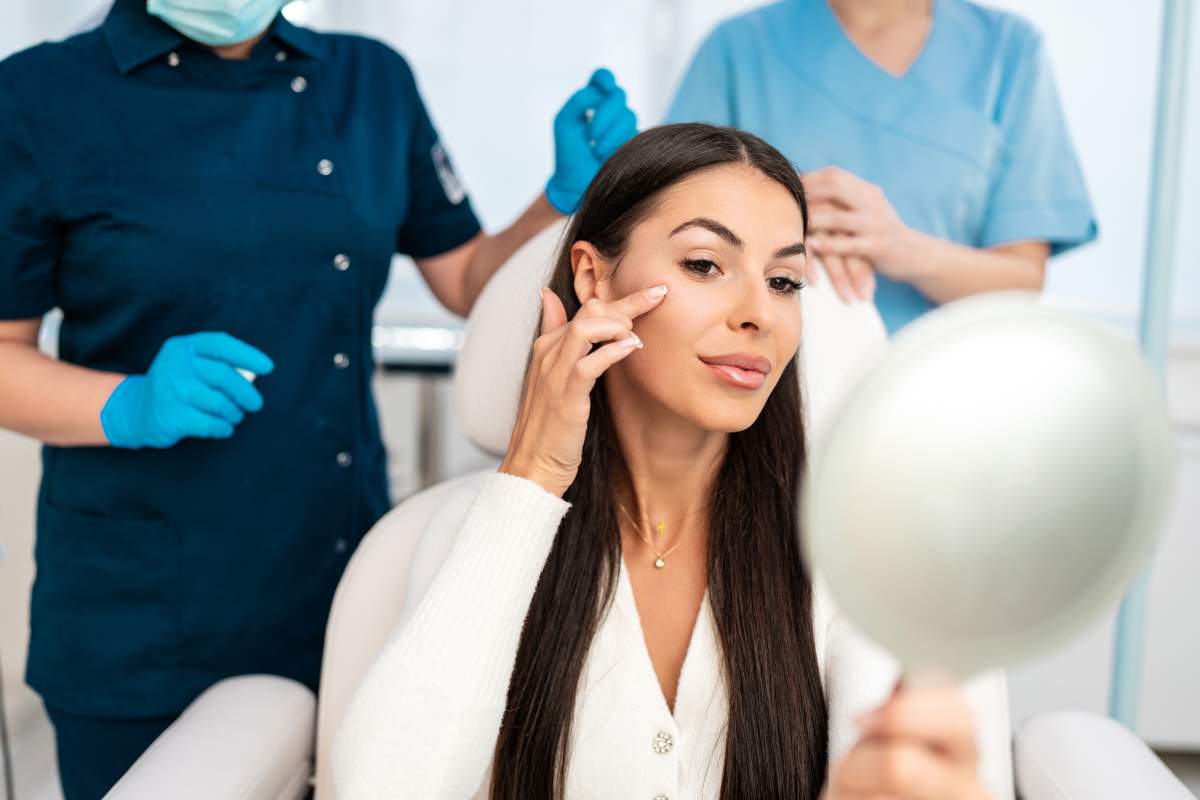
Medical spa treatments may address concerns such as uneven pigmentation, fine lines, acne scarring, or laxity. Depending on the treatment, options may include superficial chemical exfoliation, microneedling, laser-based procedures, or energy-based treatments.
These procedures are not interchangeable. Their risks and expected results depend on skin tone, medication use, history of cold sores, tendency to scar, active skin conditions, and the specific device or technique used. Some treatments can worsen pigmentation or cause burns if settings are not appropriate.
A useful consultation should include a discussion of:
- The exact condition being treated
- Expected improvement rather than guaranteed results
- Recovery time and sun restrictions
- Possible side effects
- Whether the treatment is appropriate for the person’s skin type and medical history
- Who will perform the procedure and how complications are handled
Cosmetic treatment should not replace evaluation of a suspicious mole, persistent rash, unexplained bruising, or a wound that will not heal.
What daily habits support healthier aging skin?
Skin health is influenced by more than products. Avoiding tobacco, eating a varied diet, sleeping adequately, managing stress, and controlling medical conditions can support the body’s ability to maintain and repair skin.
It is also helpful to avoid tanning beds, repeated sunburns, aggressive scrubbing, and frequent product switching. A consistent routine is usually easier for aging skin to tolerate than a complicated regimen.
People with very dry skin, frequent bruising, slow-healing wounds, persistent itching, or changing growths should seek medical evaluation. These signs may be caused by aging, but they can also signal medication effects, infection, inflammation, or another condition that requires attention.