

 See My Latest Article on HelloNation
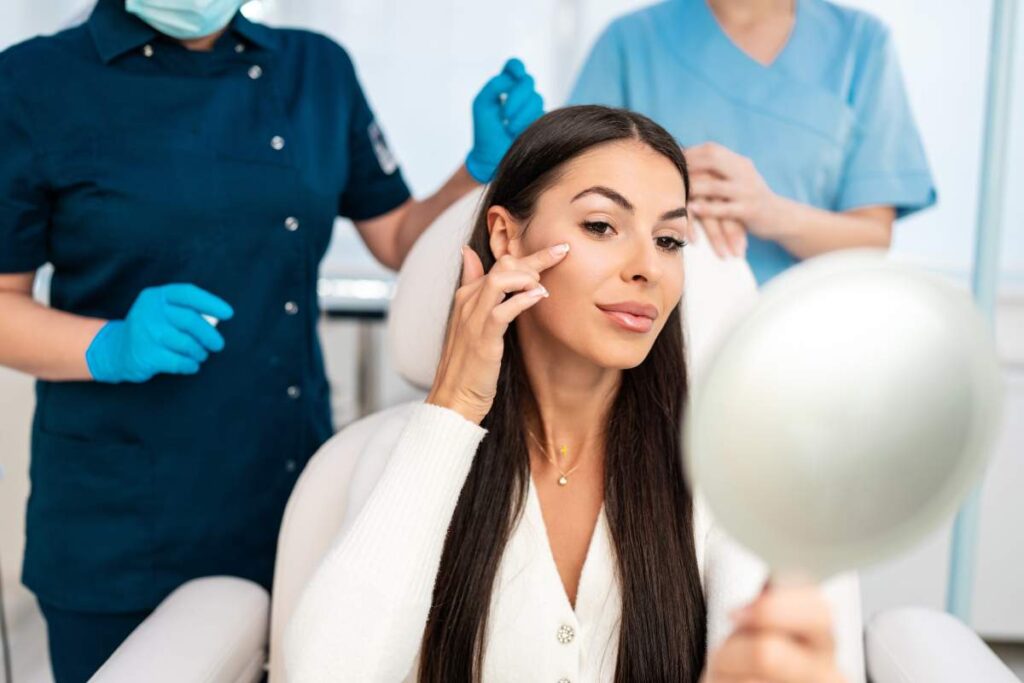
Seasonal changes can affect how much moisture the skin holds, how quickly it becomes irritated, and how much protection it needs from ultraviolet exposure. In Lawton, OK, residents may notice these shifts during dry, windy cold periods, hot sunny stretches, and sudden changes between indoor air conditioning and outdoor heat.
A dependable routine does not need to change completely each season. Usually, the most useful adjustments involve cleanser strength, moisturizer texture, exfoliation frequency, sun protection, and attention to the skin barrier.
How does weather affect the skin?
Weather affects the skin mainly through temperature, humidity, wind, sun exposure, and indoor climate control. Cold, dry air can increase water loss from the skin, while wind may worsen chapping and irritation. Heat, sweat, and humidity can contribute to clogged pores, inflammation, and discomfort.
Indoor environments matter, too. Heating during colder months and air conditioning during warmer months can both reduce moisture in the air. Frequent showers, harsh cleansers, and aggressive exfoliation may add to the problem.
Common signs that the skin needs a seasonal adjustment include:
- Tightness after cleansing
- Flaking or rough patches
- Burning when applying normally tolerated products
- Increased oiliness or clogged pores
- Chapped lips and hands
- Redness around the nose, cheeks, or mouth
These symptoms do not always mean a person needs more products. Often, the skin needs fewer irritants and more consistent protection.
What should change during colder, drier weather?
During cold or dry conditions, use a gentler routine that helps preserve the skin barrier. A cream or ointment generally provides more moisture protection than a lightweight lotion.
Helpful adjustments include:
- Wash with lukewarm rather than hot water.
- Use a gentle, fragrance-free cleanser.
- Apply moisturizer while the skin is still slightly damp.
- Choose a thicker cream for the face, hands, elbows, knees, and other dry areas.
- Apply lip balm or plain petroleum jelly to chapped lips.
- Wear gloves when outdoors or when hands are exposed to repeated washing.
- Consider a clean, cool-mist humidifier in a bedroom if indoor air feels very dry.
Dry, peeling skin should not automatically be scrubbed away. Physical scrubs, cleansing brushes, and frequent acids can create more irritation when the protective barrier is already compromised. If an exfoliating product causes stinging, redness, or increased flaking, reduce its use or pause it until the skin feels comfortable again.
Wind can be especially hard on exposed cheeks, lips, and hands. Covering those areas with soft clothing helps reduce direct exposure. Fragrance-free laundry products and soft fabrics may also help people whose skin becomes itchy or reactive in winter.
How should skin care change during hot weather?
Warm weather often calls for lighter textures and more attention to sweat, sun, and friction. A heavy product that feels comfortable in winter may feel greasy or congesting during hot conditions.
A practical warm-weather routine may include:
- A gentle cleanser after sweating or outdoor activity
- A lightweight, non-comedogenic moisturizer
- Broad-spectrum, water-resistant sunscreen with an SPF of 30 or higher
- A hat, sunglasses, and clothing that covers exposed skin
- Showering after prolonged sweating when practical
- Changing out of damp clothing to reduce friction and irritation
Sweat itself does not always cause acne, but sweat mixed with oil, sunscreen, makeup, dirt, and friction can contribute to clogged pores. Avoid vigorous scrubbing after sweating. A gentle cleanse is usually sufficient.
Outdoor activities may require more frequent sunscreen application. Reapply after swimming, heavy sweating, toweling off, or according to the directions on the product. Sun protection remains useful even on cooler or partly cloudy days because ultraviolet exposure is not limited to visibly hot weather.
Is sunscreen necessary throughout the year?

Yes. Sunscreen is not only a summer product. Ultraviolet exposure can occur during errands, driving, outdoor work, sports, walking, and other routine activities in every season.
Use broad-spectrum sunscreen on exposed skin and combine it with shade, protective clothing, and sunglasses when possible. Pay attention to commonly missed areas such as the ears, neck, tops of the feet, hands, hairline, and lips.
Residents may also spend more time outside during mild winter days or during seasonal community activities. Cooler temperatures can make sun exposure less noticeable, so relying on warmth or discomfort as a warning sign is unreliable.
People with a history of skin cancer, photosensitivity, melasma, or medications that increase sun sensitivity may need especially consistent protection. Medication labels and individualized medical instructions should take priority over general skin care advice.
How can people adjust exfoliation and active ingredients?
Skin often tolerates active ingredients differently as weather changes. Retinoids, alpha hydroxy acids, beta hydroxy acids, benzoyl peroxide, and other treatments may cause more dryness or irritation when the air is cold and dry.
Rather than stopping every active ingredient automatically, consider reducing frequency when the skin becomes tight, flaky, or sensitive. Avoid adding several new products at the same time. Introducing one change at a time makes it easier to identify what is helping or causing irritation.
Do not apply exfoliating acids or retinoids to skin that is cracked, sunburned, raw, or actively inflamed. A basic cleanser, moisturizer, and sunscreen routine may be more appropriate until the barrier recovers.
If a person receives a cosmetic skin treatment that intentionally increases sensitivity, sun avoidance and aftercare instructions become particularly important. Products such as retinoids, exfoliating acids, or strong acne treatments may need to be paused before or after certain procedures, but timing should follow the specific instructions provided for that treatment.
What overlooked factors affect seasonal skin health?
Several daily habits can influence the skin as much as the weather itself.
Long, hot showers can remove protective oils. Frequent handwashing can leave the hands cracked, particularly during cold weather or when using strong soaps. Indoor heating and air conditioning can create dry conditions even when outdoor humidity seems comfortable.
Shaving, mask friction, helmets, work gloves, and tight clothing may also contribute to irritation. Applying moisturizer after bathing and handwashing can reduce water loss. For sensitive areas, choose products labeled fragrance-free rather than relying only on terms such as “natural” or “clean,” which do not guarantee low irritation potential.
Hydration supports general health, but drinking extra water does not always correct dry skin by itself. The skin also needs protection from harsh conditions and products that strip its barrier.
When does seasonal dryness need medical attention?
Mild dryness often improves after several days of gentler cleansing, regular moisturizing, and environmental changes. Persistent or severe symptoms may indicate eczema, contact dermatitis, psoriasis, rosacea, infection, or another condition that needs assessment.
Seek medical guidance for skin that is:
- Cracked, bleeding, oozing, or painful
- Increasingly swollen or warm
- Associated with widespread rash or intense itching
- Not improving with basic care
- Developing sudden changes after a new medication or product
- Showing a changing, bleeding, or nonhealing spot
Seasonal skin care is mainly about observing how the skin responds and making modest adjustments. In Lawton, changing wind, temperature, sunshine, and indoor air conditions can make a simple routine more effective when it is adapted gradually rather than replaced all at once.