

 See My Latest Article on HelloNation
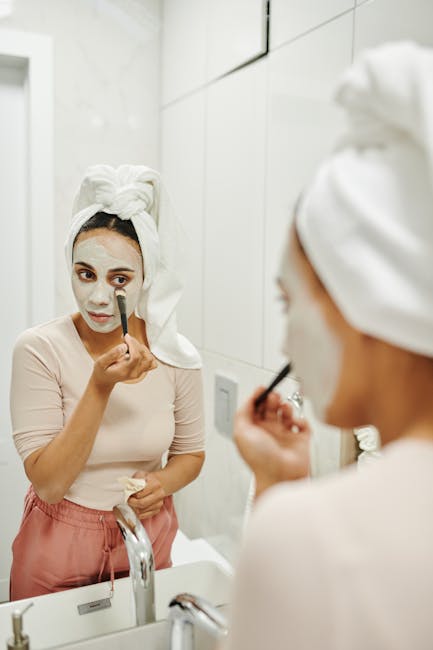
Why Separate Morning and Night Skincare Steps?
Different parts of the day present unique challenges for skin, especially in Lawton, OK where wind, sun, and temperature swings can impact skin health. Morning skincare targets protection and preparation, while nighttime steps focus on repair and recovery. Both routines can be tailored to local weather, lifestyle, and skin type for the best results.
What Does a Morning Skincare Routine Aim to Do?
A morning routine protects skin from daytime stressors like sunlight, pollution, and temperature changes. In Lawton, sun and dust are common outdoor elements, so residents benefit from routines that guard against these factors.
Main goals of a morning routine:
- Shield skin from ultraviolet (UV) rays and environmental pollutants
- Prep skin for makeup or sunscreen application
- Provide hydration suitable for leaving the house
This usually involves:
- Gentle cleansing to remove overnight sweat and oil
- Light moisturizer for hydration without feeling heavy
- Sunscreen, the most critical step in a city with frequent sunny days
- Antioxidant serums (like vitamin C) when added defense against free radicals is desired
Locally, many people appreciate lightweight products that won’t feel greasy during the area’s warm afternoons.
What Is the Purpose of an Evening Skincare Routine?
Nighttime allows uninterrupted time for skin restoration. While residents sleep, the skin shifts away from protection and into a natural repair cycle, making this routine important for supporting recovery.
Main purposes at night include:
- Deeper cleansing to remove makeup, sweat, dust, and pollutants accumulated throughout the day
- Targeted treatments, such as retinols or exfoliants, which can increase skin sensitivity if used during the day
- Richer moisturizers or overnight masks to address dryness, especially during periods of low humidity or exposure to home heating/cooling systems
A typical nighttime routine might include:
- Double cleansing if wearing sunscreen or makeup
- Applying treatments that could react with sunlight
- Using thicker moisturizers to lock in hydration while sleeping
In Lawton, skin can dry out from both indoor heating in winter and air conditioning in summer, so adding rich hydration at night is commonly beneficial.
Should the Same Products Be Used Morning and Night?
It’s common to use different products, though some basics may overlap. For example, a gentle cleanser or basic moisturizer can work for both, but residents frequently adjust to local needs:
- Sunscreen is only for daytime use
- Retinol, exfoliating acids, and certain spot treatments are better suited for nighttime
- Antioxidant serums (such as vitamin C) are popular in the morning to counteract outdoor stressors
- Thicker moisturizers are often reserved for evening to avoid excessive shine during the day
Folks in the community who spend much time outside may especially benefit from this separation to prevent unnecessary irritation or sensitivity.
What Common Mistakes Do Area Residents Make with Morning and Night Routines?
Local households sometimes skip sunscreen when it’s cloudy or winter, not realizing UV exposure in Lawton remains significant year-round. Others may overuse harsh products—especially exfoliants or acids—both morning and night, leading to irritation.
Other examples include:
- Using active treatments (like retinol or alpha hydroxy acids) too frequently, instead of a few times a week as needed
- Forgetting to reapply sunscreen if spending long periods working outdoors or doing recreation
- Skipping moisturizer, thinking oilier skin doesn’t need hydration, when even humid climates can cause underlying dryness
Right-sizing routines for the area’s variable weather helps residents avoid these pitfalls.
How Can Skincare Be Adjusted for Lawton’s Climate and Lifestyle?
Lawton’s climate features warm summers, cold snaps, wind, and lots of sun exposure. Routines that account for daily conditions are more effective.
Practical tips for the region:
- Consider lightweight gels or lotions for daily hydration but switch to creams at night or during colder months
- Look for non-comedogenic sunscreens that hold up well in both dry indoor settings and active, outdoor environments
- Use gentle cleansers year-round to avoid stripping moisture, especially when local water is hard or drying
Residents may find that adjusting morning products (like using SPF 50 on summer days or swapping to heavier night creams in winter) delivers noticeable improvements.
What Routines Are Safe and Practical for Most Local Adults?
Most adults in the city, regardless of gender or skin type, do well with routines centered on the following basics:
Morning
- Cleanser (gentle, non-drying)
- Antioxidant serum (optional)
- Moisturizer (lightweight)
- Sunscreen (broad-spectrum, SPF 30 or higher)
Night
- Cleanser (same as morning or a more intensive one if needed)
- Treatment product (as recommended or needed, e.g., retinol or AHA/BHA)
- Eye cream (optional)
- Moisturizer (richer or more nourishing than daytime)
Adjustments—such as adding a hydrating mist in windy periods or swapping routines with the seasons—help tailor care further.
Questions Residents Sometimes Ask About Skincare Timing
- "Can I skip night routines if I’m tired?" Skin recovers most overnight, so some steps, especially cleansing and moisturizing, are worth keeping.
- "Does sunscreen matter if I’m mostly indoors?" Sunlight still enters windows, and routines shouldn’t skip SPF altogether unless in near-total darkness.
- "Should routines differ after outdoor hobbies or yard work?" Yes—washing off sweat, dust, and reapplying moisture after outdoor activities can prevent irritation or breakouts.