

 See My Latest Article on HelloNation
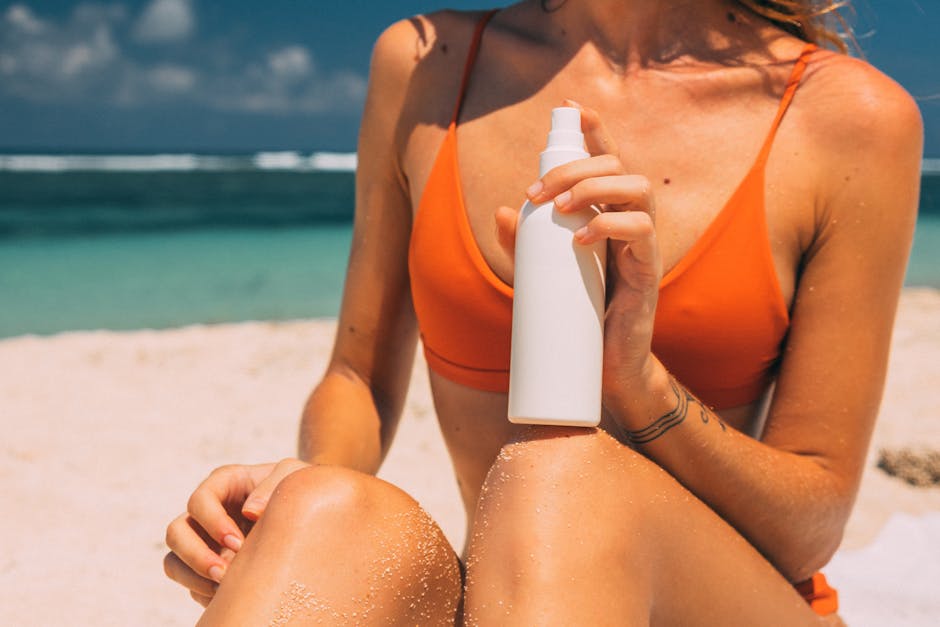
Why Should Sunscreen Be a Daily Priority in Lawton, OK?
Even on cloudy days, sunscreen is crucial for protecting skin from ultraviolet (UV) damage. Lawton, OK experiences long, sunny summers and significant UV exposure throughout the year. Local residents often spend time outdoors, whether enjoying area parks or completing daily errands, making routine skin protection especially relevant.
Unprotected sun exposure can lead to premature aging, uneven skin tone, and increases the risk of skin cancer. UV damage occurs gradually, even during brief activities like walking to a car or tending to a home garden. Integrating sunscreen into daily routines is a practical way for Lawton households to maintain skin health over time.
How Does Sun Exposure Affect Skin in Lawton’s Climate?
Lawton has a climate with hot summers, clear skies, and high UV index days, especially between late spring and early fall. Even residents who work primarily indoors are exposed to sunlight during commutes, outdoor chores, and occasional recreation.
Local factors affecting exposure include:
- High temperatures encourage lighter, more skin-baring clothing, increasing unprotected areas.
- Many neighborhoods have limited shaded walkways, increasing direct sun exposure.
- Reflected sunlight off concrete, sand, or water can amplify UV effects even in partial shade.
Repeated, low-level sun exposure adds up. This makes sunscreen just as necessary for a quick trip to the mailbox as it is for an afternoon at Lake Lawtonka.
Is Sunscreen Needed on Cloudy Days or During Winter?
Yes, sunscreen remains important even when the sky is overcast or temperatures are cooler. In Lawton, up to 80% of UV rays can penetrate clouds. Residents often overlook sun protection during mild winters, but UV radiation is year-round and isn’t blocked by cold air.
Snow and light-colored surfaces can reflect UV rays, increasing risk even on less sunny days. Applying sunscreen as a habit, regardless of weather, helps ensure skin remains protected every season.
What Common Misconceptions Lead to Inadequate Sun Protection?
Many people in Lawton believe sunscreen is only necessary for intense sun or extended time outdoors. This leads to several misconceptions:
- Dark Skin Doesn’t Need Sunscreen: While higher melanin provides some natural protection, all skin types are vulnerable to UV damage and skin cancer.
- Car Windows Block All UV Rays: Standard windows reduce but do not eliminate UVA rays, which contribute to aging and skin cancer risk.
- Outdoor Time Needs to Be Long for Sunscreen: Short, repeated exposures accumulate. Five minutes here and there throughout the week add up.
Understanding these realities reinforces the need to make sunscreen a non-negotiable part of daily routines, not just a “sunny day” accessory.
What Type of Sunscreen Works Best for Lawton Residents?
A broad-spectrum (protects against both UVA and UVB) sunscreen with at least SPF 30 is generally recommended for daily use. Residents who spend extended periods outdoors or have fair skin may benefit from higher SPF products.
When choosing sunscreen:
- Consider water-resistant options for outdoor activities or heavy sweating, common during Lawton’s hot summer months.
- Look for formulations that suit your skin type—oil-free for oily/acne-prone, or moisturizing for dry/mature skin.
- Select face- and body-specific products to avoid irritation or breakouts.
- Mineral sunscreens (with zinc oxide or titanium dioxide) are less likely to cause skin reactions and start working immediately on application.
Applying sunscreen generously and reapplying every two hours (or after swimming/towel drying) is key to effectiveness.
How Can Busy Households Make Sunscreen a Habit?
For many in the community, the biggest challenge is making sunscreen application part of a regular routine. Integrating sun protection doesn’t need to complicate your mornings.
Simple steps for daily use:
- Keep sunscreen by the bathroom sink, next to toothbrushes or skincare products, as a visual reminder.
- Apply to all exposed skin, not just the face—don’t forget ears, neck, hands, and arms.
- Use lip balms with SPF for added protection.
- For children, involve them in applying sunscreen before school or outdoor play to build lifelong habits.
- If using makeup, apply sunscreen as the final skincare step before foundation or powders.
Establishing these habits ensures protection without extra effort.
Are There Alternatives to Sunscreen for Sun Safety?
Sunscreen is the foundation of sun safety, but combining it with other strategies is ideal for Lawton’s persistent sun exposure.
Other protective actions:
- Wear wide-brimmed hats and sunglasses with UV protection.
- Choose clothing with tightly woven fabrics or labeled UPF (ultraviolet protection factor).
- Seek shade during midday (10 am to 4 pm), when the sun’s rays are strongest.
- Use umbrellas or portable canopies for outdoor gatherings, especially during summer events common in local parks.
Setting up shaded areas at home—on patios or in yards—can also make outdoor time safer for families.
When Should Residents Be Extra Cautious About Sun Protection?
Certain conditions call for heightened awareness:
- Days with high UV index readings, often announced in regional weather updates.
- Children, older adults, and those taking specific medications (such as some antibiotics or acne treatments) are more sensitive to sunlight.
- Healing skin—following cosmetic treatments or minor injuries—is especially vulnerable and should never be exposed without sun protection.
Monitoring skin for changes or unusual moles and discussing any concerns with a healthcare provider is good practice for ongoing assessment—especially for households with a history of skin cancer.