

 See My Latest Article on HelloNation
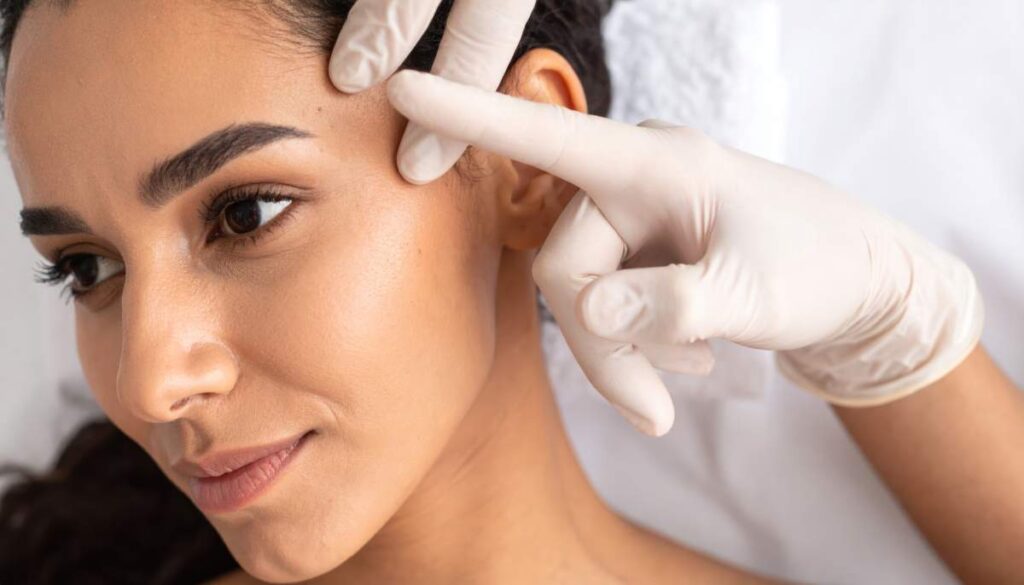
How Does Stress Affect Skin Health?
Stress, especially when persistent, can trigger a wide range of changes in the body’s largest organ: the skin. Residents in Lawton, OK may notice effects such as acne, dryness, redness, or even flare-ups of chronic skin conditions like eczema and psoriasis during stressful times.
When the body is under stress, it produces more cortisol and other hormones. This can:
- Increase oil production, leading to clogged pores and breakouts
- Disrupt the skin’s natural repair process, making it harder to recover from inflammation
- Impair the protective barrier of the skin, which means moisture loss and environmental damage become more likely
Local weather variances, like the hot, dry summers and sometimes windy conditions in Lawton, can compound these issues. Prolonged stress and the resulting skin changes may be more noticeable during the extremes of winter dryness and summer heat.
What Specific Skin Conditions Can Worsen Under Stress?
Stress doesn’t just make people feel unsettled; for many in the community, it directly worsens visible skin concerns. The most commonly reported issues include:
- Acne flare-ups, with more frequent or severe pimples and blackheads
- Psoriasis and eczema, which can become itchier or spread
- Increased sensitivity or redness for those prone to rosacea
Individuals may also experience delayed wound healing or more noticeable rashes. High stress often encourages habits like face-touching or picking at blemishes, which can further exacerbate skin concerns.
Are There Local Factors Making Stress-Related Skin Problems Worse?
Yes. Lawton’s climate features hot summers, moderate humidity, and springtime dust. Residents who spend time outdoors or work in local industry may face additional skin challenges from wind, sun, and airborne particles. Stress can make people less attentive to protective habits, such as applying sunscreen before errands or staying hydrated on hot days.
Allergies common in the area, from seasonal pollens, can also combine with stress to cause itchiness and irritation. Failing to get enough sleep—a common result of stress—further weakens the skin’s natural defenses.
What Everyday Habits Help Manage Stress and Support Skin?
Building resilience to stress doesn’t require major lifestyle overhauls. Small shifts in daily routines can make the skin more resilient and lessen stress-related flare-ups:
- Taking short walks in local parks or green spaces for mental breaks
- Drinking water regularly, especially in warmer months
- Using gentle, fragrance-free moisturizers to maintain skin barrier strength
- Setting a regular bedtime, as consistent sleep helps skin repair itself overnight
- Mindful breathing or simple meditation, which can quickly lower tension
- Limiting unnecessary face touching, especially during stressful moments
It's a common misconception that expensive products are needed to fix stress-related skin issues. Often, simple and consistent care—paired with stress reduction practices—provides noticeable relief.
How Can the Lawton Community Support Stress Reduction?
While much of stress management is personal, local resources can offer meaningful support:
- Community centers in Lawton frequently host yoga, meditation, or relaxation-focused classes that are accessible to all ages
- Participating in neighborhood events or outdoor activities fosters social support, which is a proven buffer against chronic stress
- Many residents find gardening, home projects, or DIY crafts—popular hobbies in the area—to be restorative for mood and health
Turning to healthier community outlets, rather than high-sugar snacks or excessive caffeine, can improve energy and indirectly benefit skin.
What Should Residents Watch For When Stress Affects Their Skin?
Sudden, severe rashes or rapidly worsening skin problems should not be ignored. Most stress-induced symptoms are temporary, but persistent sores, painful swelling, or signs of infection may need attention, especially if over-the-counter strategies aren’t helping.
Also, people often attribute every blemish to stress or the natural climate when other factors—like reactions to new laundry soaps, dietary changes, or even underlying medical conditions—might be at play. Monitoring patterns and noting when symptoms arise can help pinpoint true triggers.
Are Quick Fixes Effective for Stress-Related Skin Problems?
Short-term solutions like over-washing the face, scrubbing aggressively, or using harsh spot treatments rarely help and often cause more irritation. Consistency—gentle cleansing, moisturizing, sunscreen, and stress management—creates the best path to skin balance.
Extreme diets or drastic routine changes rarely deliver lasting improvements. Instead, moderate, sustainable habits support both skin and general well-being.